Last updated October 10, 2026
On this page
The short answer
Triple-I, the insurance industry's education group, says standard homeowners policies generally treat mold as a maintenance issue and do not cover it. The exception: if the mold comes from a covered event, such as a burst pipe, the cost of removing it may be covered. Policies differ, so your own wording decides. For the overview, see the Dunstable mold removal overview.
When mold may be covered
- A burst or sudden break in a pipe, the kind of event your policy lists as covered.
- Mold that follows that event because the wet materials were not dried in time. Report it quickly.
- Flood damage under a federal flood policy, if the mold is directly caused by the flood (Triple-I).
When it usually is not
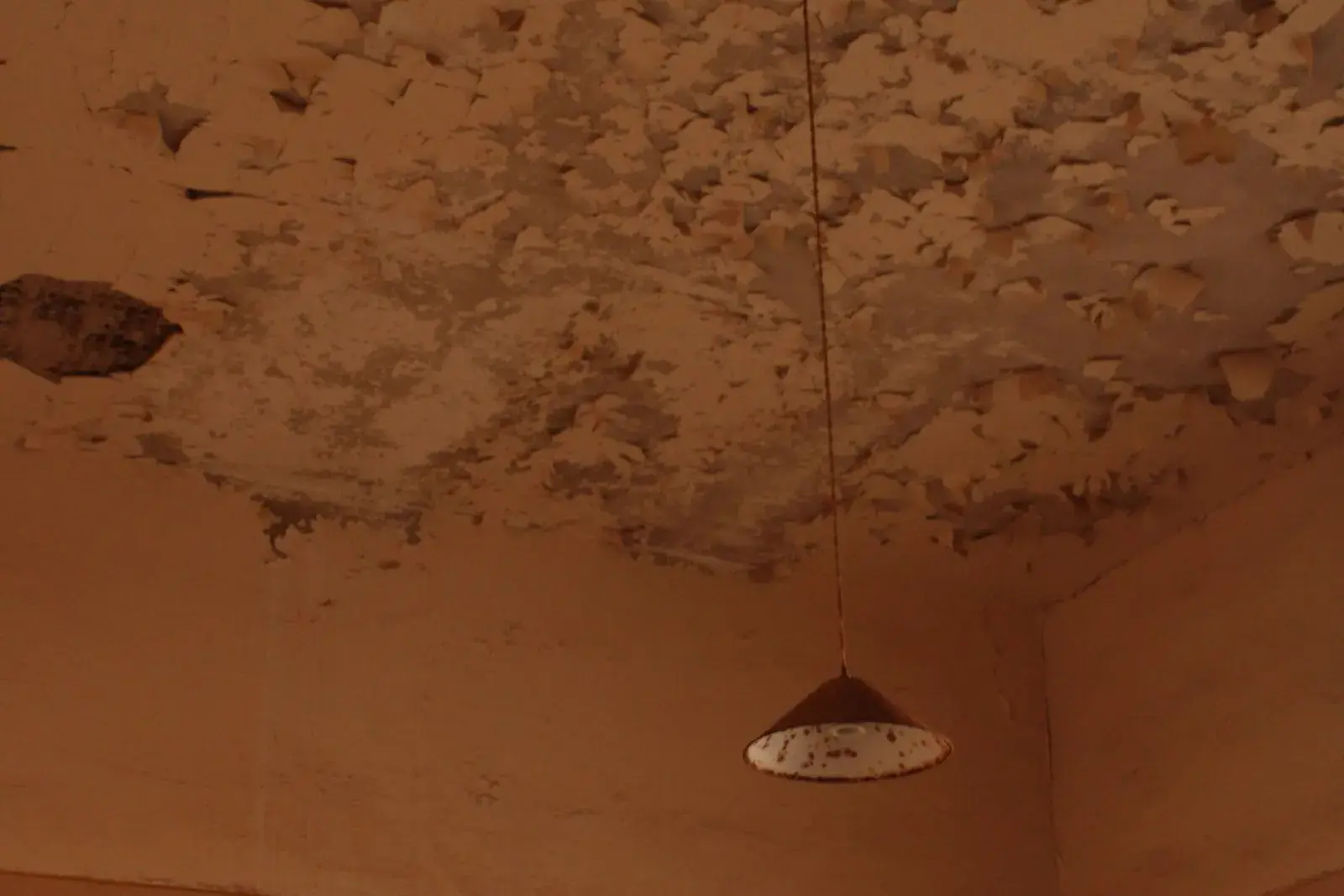
- Slow leaks. A drip under a sink or behind a wall that went unfixed for months.
- Humidity and condensation. Damp basements, bathrooms without a working fan, frost in the attic. See attic mold removal and basement mold removal.
- Lack of maintenance. Triple-I lists mold with rot and pests as damage a policy will not cover when it comes from neglect.
Do this before removal starts
- Take dated photos and video of the damage.
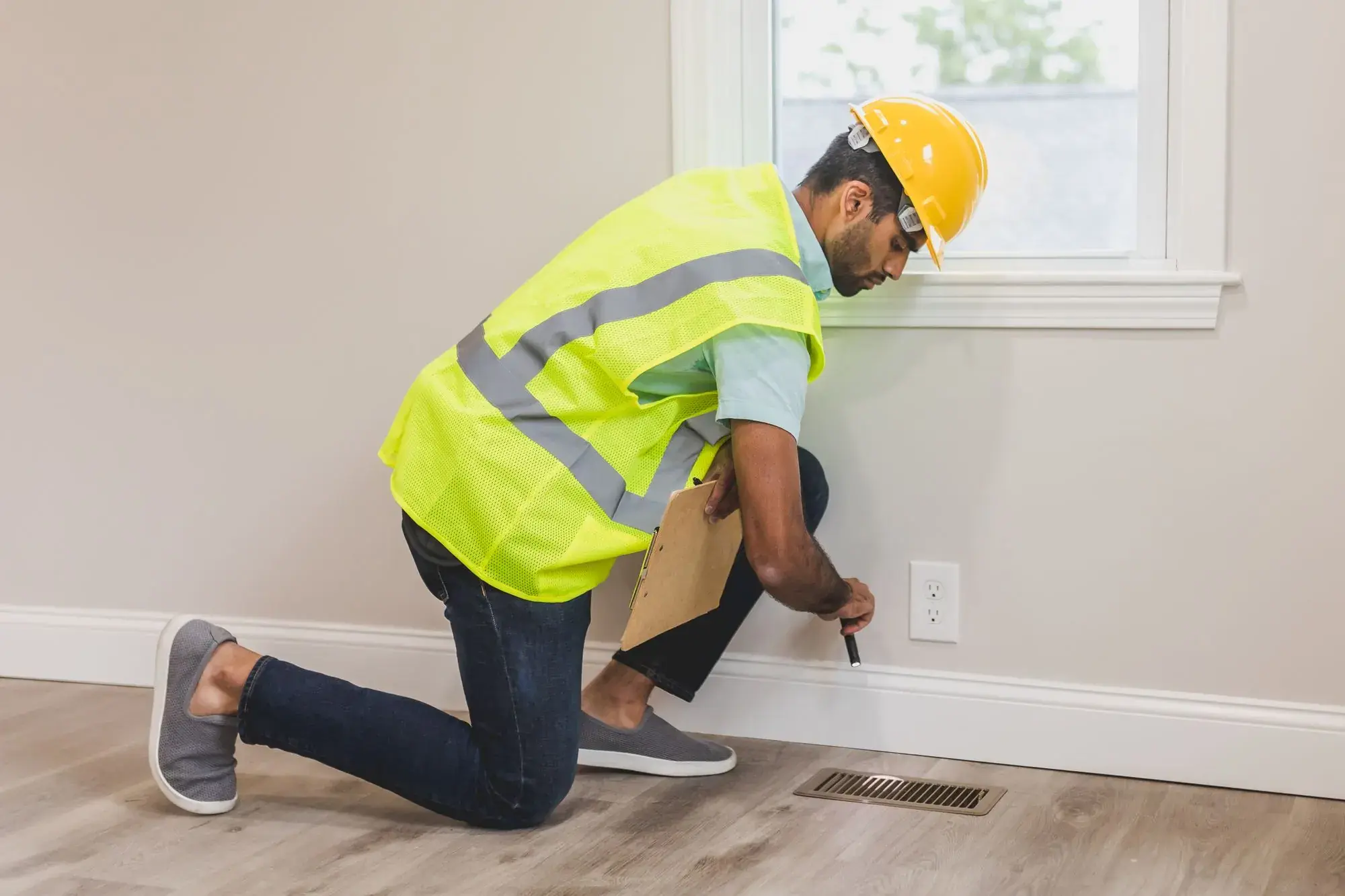
- Call your insurance agent first. Ask whether a claim is possible before anything is torn out.
- Stop the water and start drying within 24 to 48 hours (EPA).
- Keep receipts for anything you pay for.
Water damage that turned into mold?
Call and describe what happened and when.
What to ask your agent
- Was the cause of the water a covered event under my policy?
- Is there a separate limit for mold? If so, how much?
- Does the insurer need to see the damage before it is removed?
- Does the policy pay for testing, tear-out or rebuilding, or only some of them?
Renting
A landlord's policy covers the building, not your belongings. Report mold to the landlord in writing and keep a copy. If nothing happens, the Dunstable Board of Health handles housing complaints. Your own renters policy may cover your belongings if a covered event caused the damage.
If insurance does not pay
Many jobs are paid by the homeowner. Get a written scope and compare, and see what mold removal costs. Massachusetts has no mold license, so check registration on Mass.gov before you hire.
Nearby
The same rules apply across the area. See Westford, Lowell and Chelmsford. After a leak or flood, read mold removal after water damage.
Frequently asked questions
Does homeowners insurance cover mold removal in Massachusetts?
Sometimes. Standard policies generally exclude mold from neglect or humidity but may pay when it follows a covered event like a burst pipe (Triple-I). Your policy wording decides, so ask your agent.
Is mold from a burst pipe covered?
It may be. Triple-I gives a burst pipe as the example where mold removal can be covered. Report it quickly and dry the area within 24 to 48 hours.
Will insurance pay for mold from a slow leak?
Usually not. Long-term leaks and humidity are treated as maintenance problems.
Does flood insurance cover mold?
Federal flood insurance may cover mold that is directly caused by a flood (Triple-I). Check your policy.
Should I call my agent or a mold professional first?
Your agent, before anything is removed. Then call a professional to describe the problem and ask for a written scope.