Last updated October 10, 2026
On this page
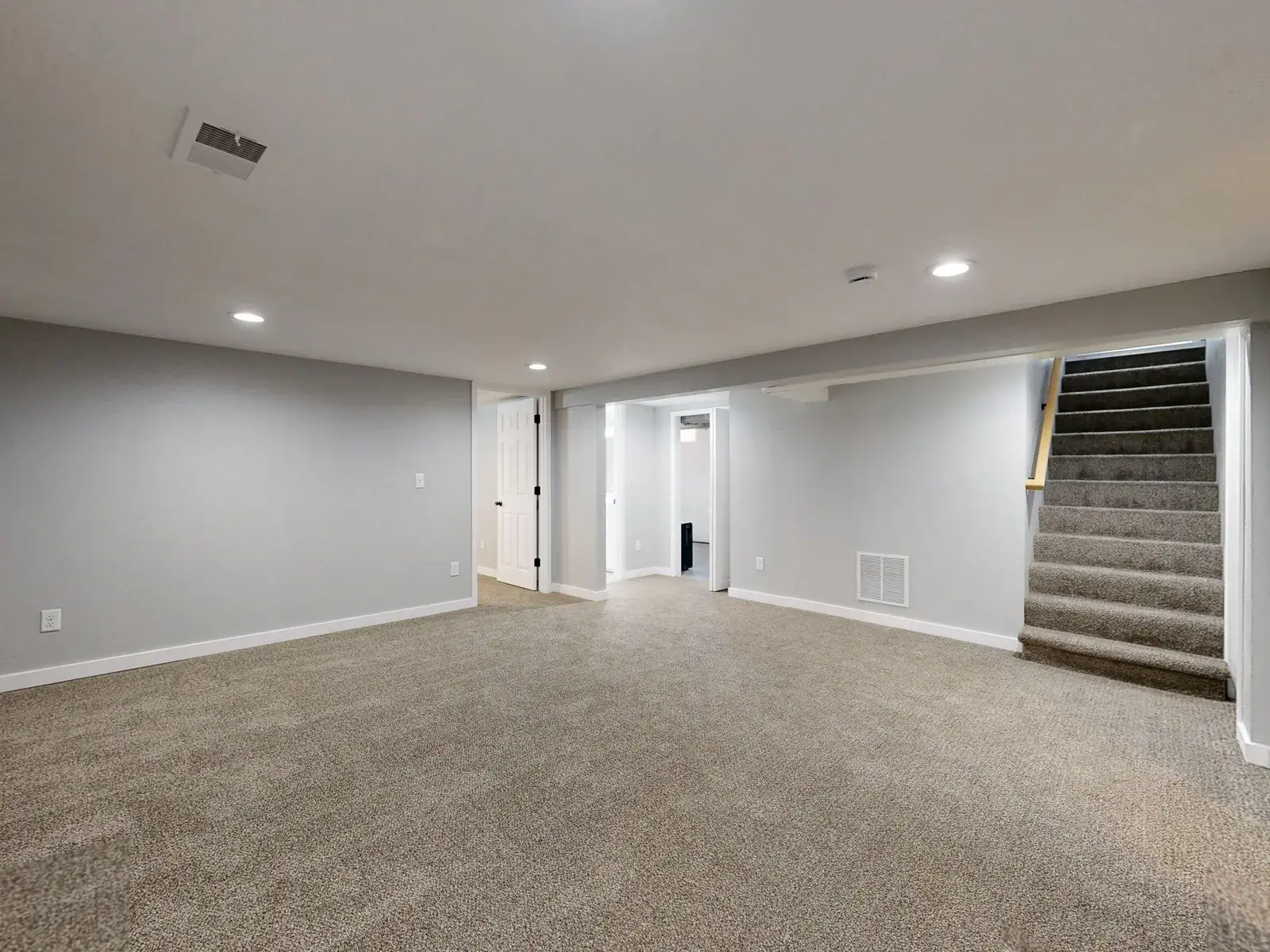
Why finished basements hide mold
Concrete and block walls are cool and can carry moisture. Once they are covered with framing, insulation and drywall, that moisture is trapped. Paper-faced drywall, carpet and wood framing are food for mold. The problem can grow for months before a stain or smell appears. For unfinished basements, see basement mold removal. For the overview, see mold removal and remediation in Dunstable.
- Walls. Moisture seeps through the foundation into the back of the drywall.
- Carpet and pad. They hold water after a leak or a wet spring.
- Closets and corners with no airflow.
- Behind furniture pushed against exterior walls.
- Ceiling tiles below a bathroom or kitchen.
Signs of mold in a finished basement
- A musty smell that is stronger near one wall.
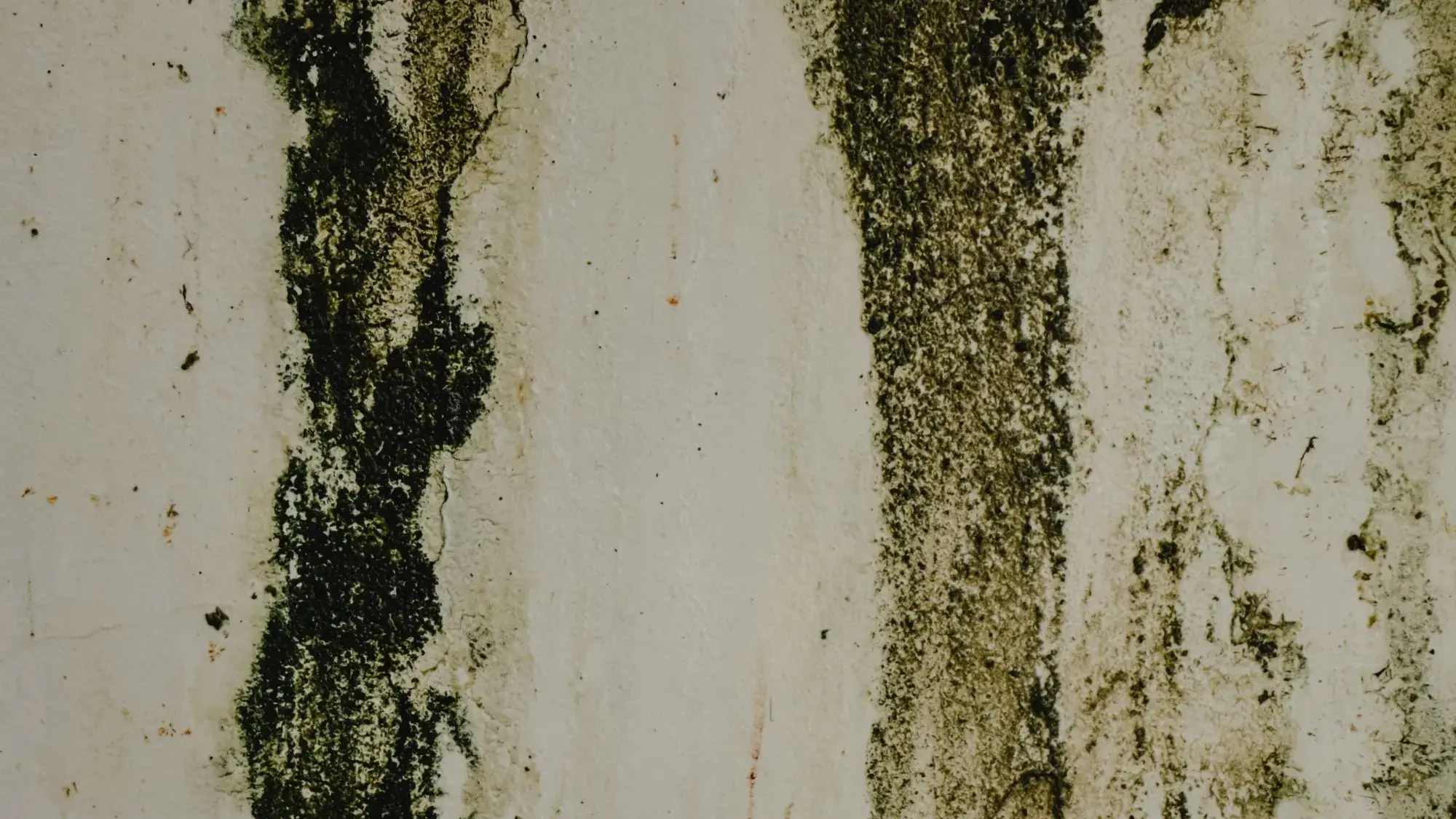
- Stains or bubbling at the bottom of the drywall.
- Carpet that feels damp or smells sour.
- Warped baseboards or trim.
- Peeling paint or white powder on the wall.
- Allergy symptoms that ease when you leave the room.
What gets removed, and why
The EPA says moldy porous materials, such as carpet and ceiling tiles, may have to be thrown away. Drywall and insulation that are wet or moldy usually come out too. Hard surfaces like concrete can be cleaned. How much comes out depends on how far the moisture went. A professional uses moisture readings to decide where to stop.
| Material | Usually |
|---|---|
| Drywall | Removed where wet or moldy |
| Carpet and pad | Removed |
| Insulation | Removed if wet or moldy |
| Wood framing | Cleaned and dried if sound |
| Concrete and block | Cleaned |
Musty smell in the finished basement?
Call and describe the room and the smell.
How removal works
- Find the moisture. Meters and sometimes thermal imaging show where it is wet.
- Contain the area. Plastic sheeting and HEPA air filtration keep spores in the work zone.
- Remove what cannot be saved. Carpet, wet drywall, wet insulation.
- Clean what stays. HEPA vacuum, then wipe or sand framing.
- Dry the space with dehumidifiers until readings are normal.
- Fix the cause. Gutters, grading, a leak, a missing vapor barrier.
- Rebuild afterward. New drywall, carpet and paint are usually a separate job.
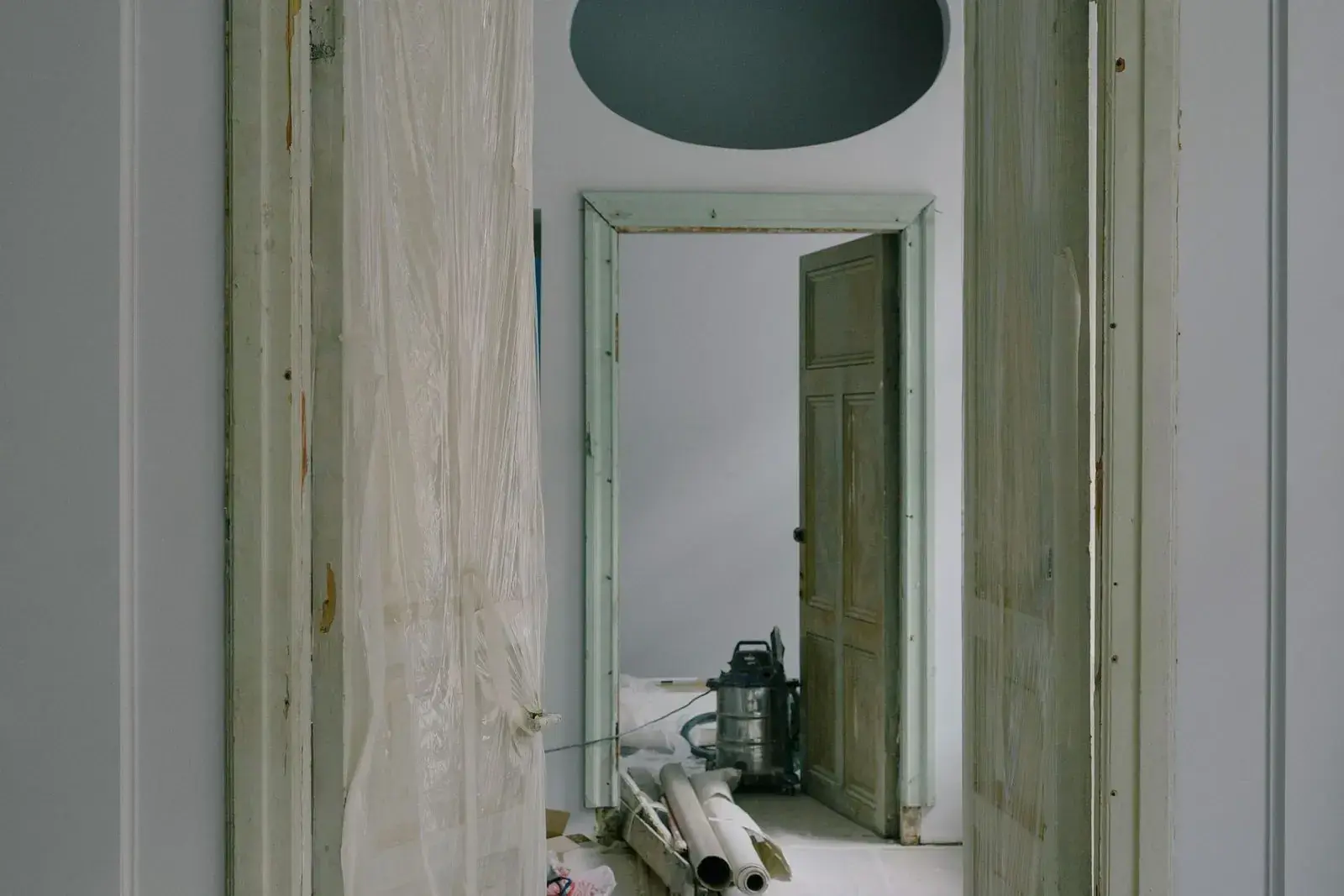
What it costs
Angi's Boston-area figure for basement mold is about $2,500 to $5,000. A finished basement can cost more because of the tear-out and rebuilding. See the mold removal cost guide and whether insurance covers it.
Keep it from coming back
- Keep humidity below 60 percent (EPA), ideally 30 to 50. Run a dehumidifier.
- Point gutters and downspouts away from the foundation.
- Leave a small gap between furniture and exterior walls.
- Do not put carpet directly on a damp slab.
Nearby towns
Finished basements are common across the area. See Tyngsborough, Chelmsford and Westford. To check whether you need a test first, read mold testing.
Frequently asked questions
Can mold be behind finished basement walls?
Yes. Moisture moves through the foundation into the back of the drywall, so mold can grow where you cannot see it. Smell and stains at the base of the wall are the usual clues.
Does all the drywall have to come out?
No. Moldy or wet drywall is removed. How far depends on how far the moisture reached, which a professional checks with moisture readings.
Can carpet be saved?
Usually not once it is moldy. The EPA says moldy porous materials such as carpet may have to be thrown away.
Do I need a mold test first?
Usually not if the mold is visible (EPA, CDC, Mass. DPH). A test can help with hidden mold or to document cleanup.
Will insurance pay?
Only if the mold followed a covered event such as a burst pipe. Slow seepage is usually not covered. See our insurance guide.