Last updated October 10, 2026
On this page
Do you need a test?
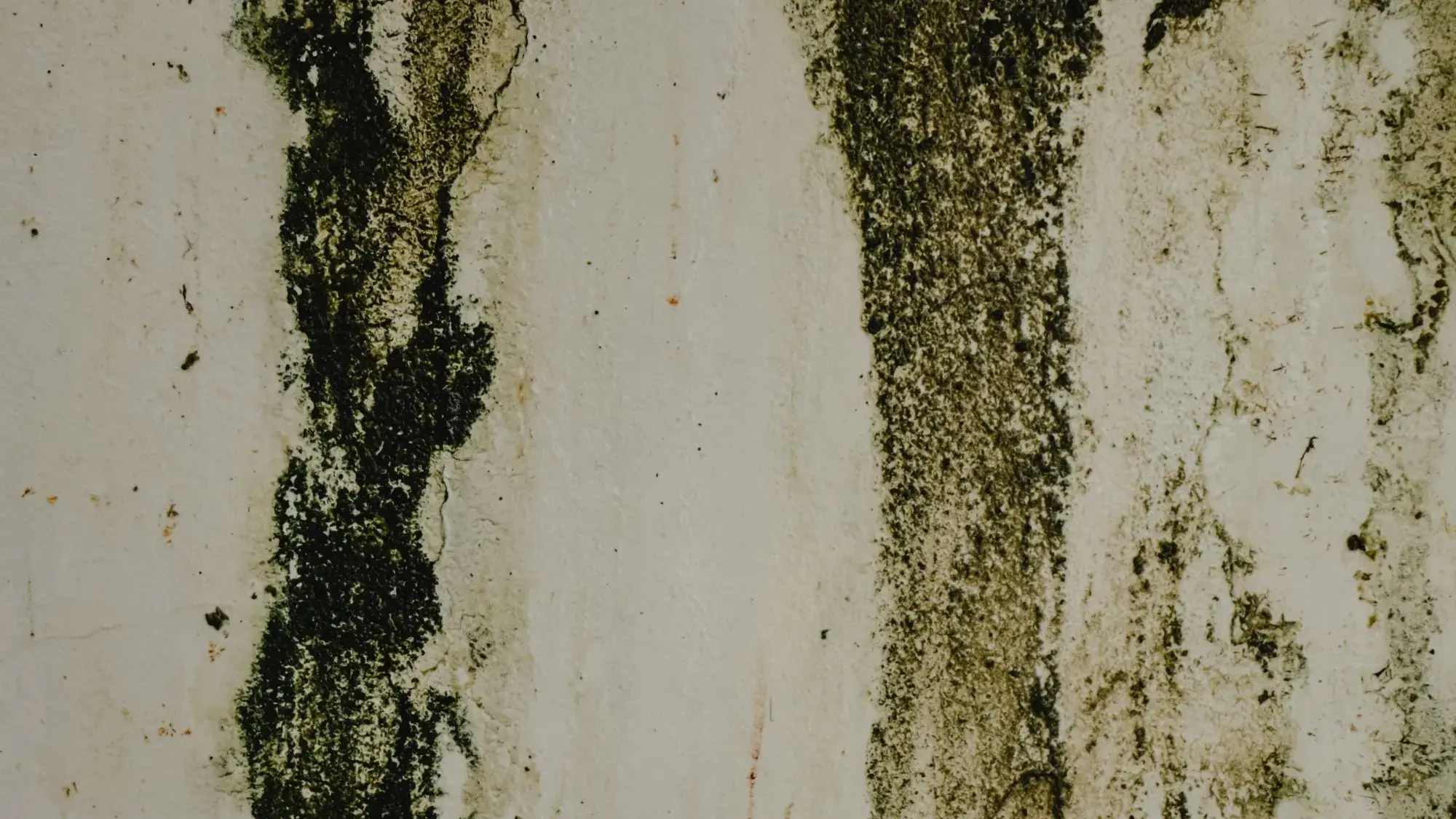
- EPA: if you can see mold, sampling is usually unnecessary. There are no federal limits for mold, so a result cannot show you meet one.
- CDC: does not recommend mold testing. Safely remove the mold and prevent regrowth.
- Massachusetts DPH: environmental testing is not recommended. If you can see mold you must clean it up and fix the moisture. Testing does not change that.
So if you can see it, fix the moisture and remove it. See mold removal in Dunstable, MA for the steps.
When a test can help
| Situation | Helps? | Why |
|---|---|---|
| You can see mold | Usually no | Clean up and fix the moisture either way. |
| Smell but see nothing | Possibly | Moisture meters and thermal imaging first. Sampling can confirm what is behind a wall. |
| After a leak, nothing visible | Moisture mapping helps more | Finding wet material matters more than counting spores. |
| After professional removal | Can help | The EPA says surface sampling may confirm a cleaned area. Gives you paperwork. |
| A dispute with a landlord, seller or insurer | Can help | An independent report documents conditions on a date. |
| Health symptoms | No | A test cannot diagnose illness. See a doctor and look for moisture. |
Kinds of test
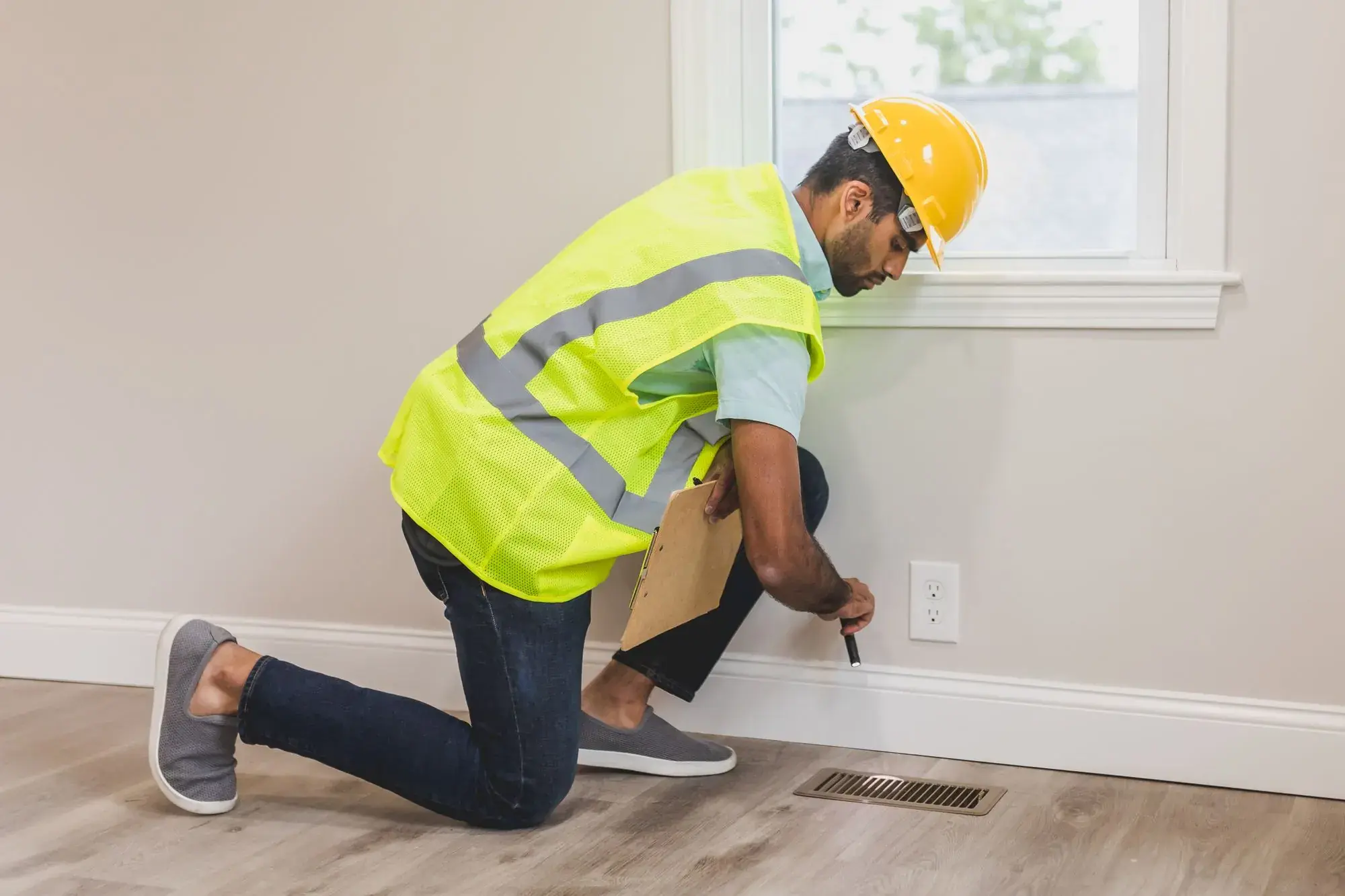
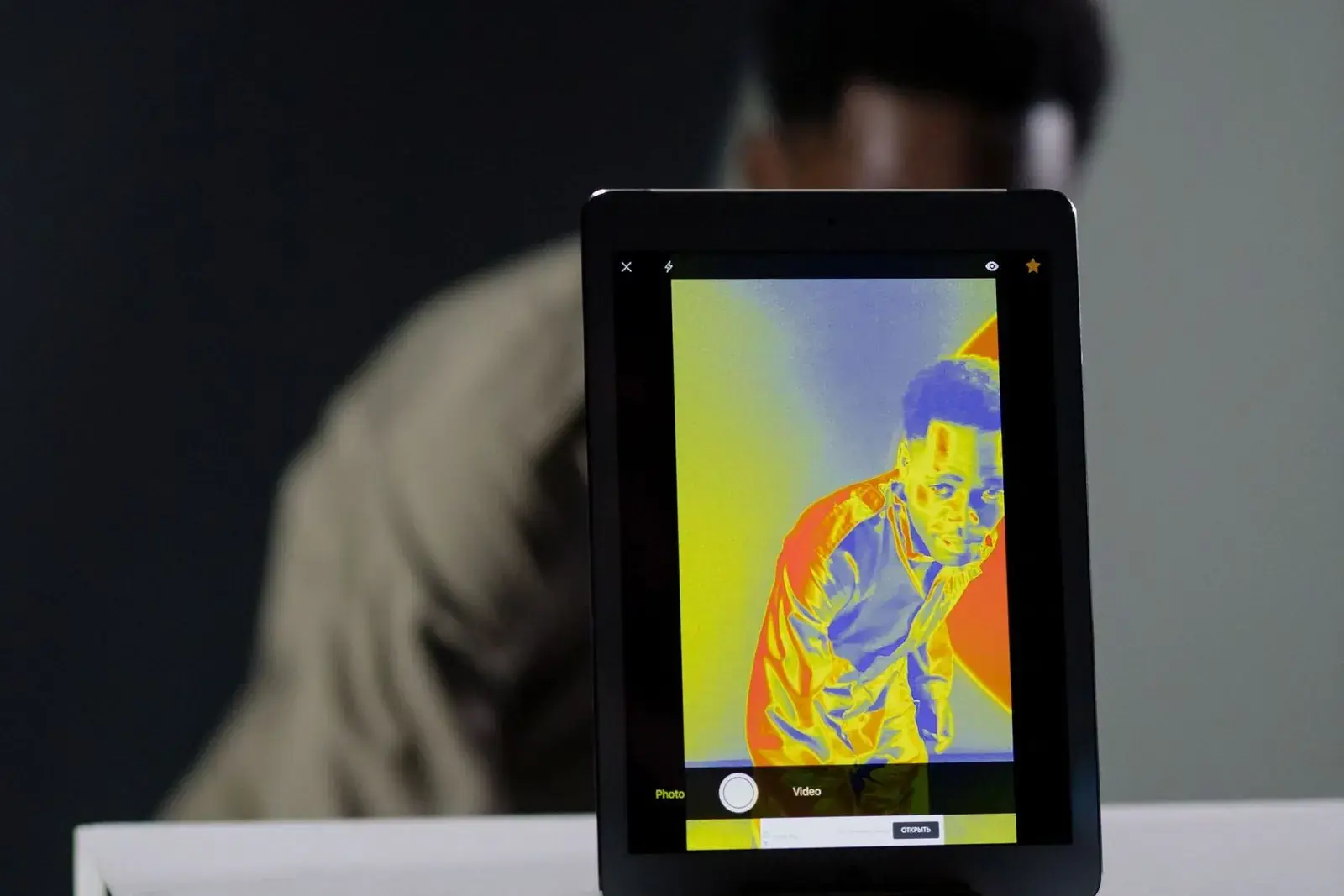
- Visual inspection and moisture mapping. Often the most useful. A meter, thermal camera or borescope finds hidden damp.
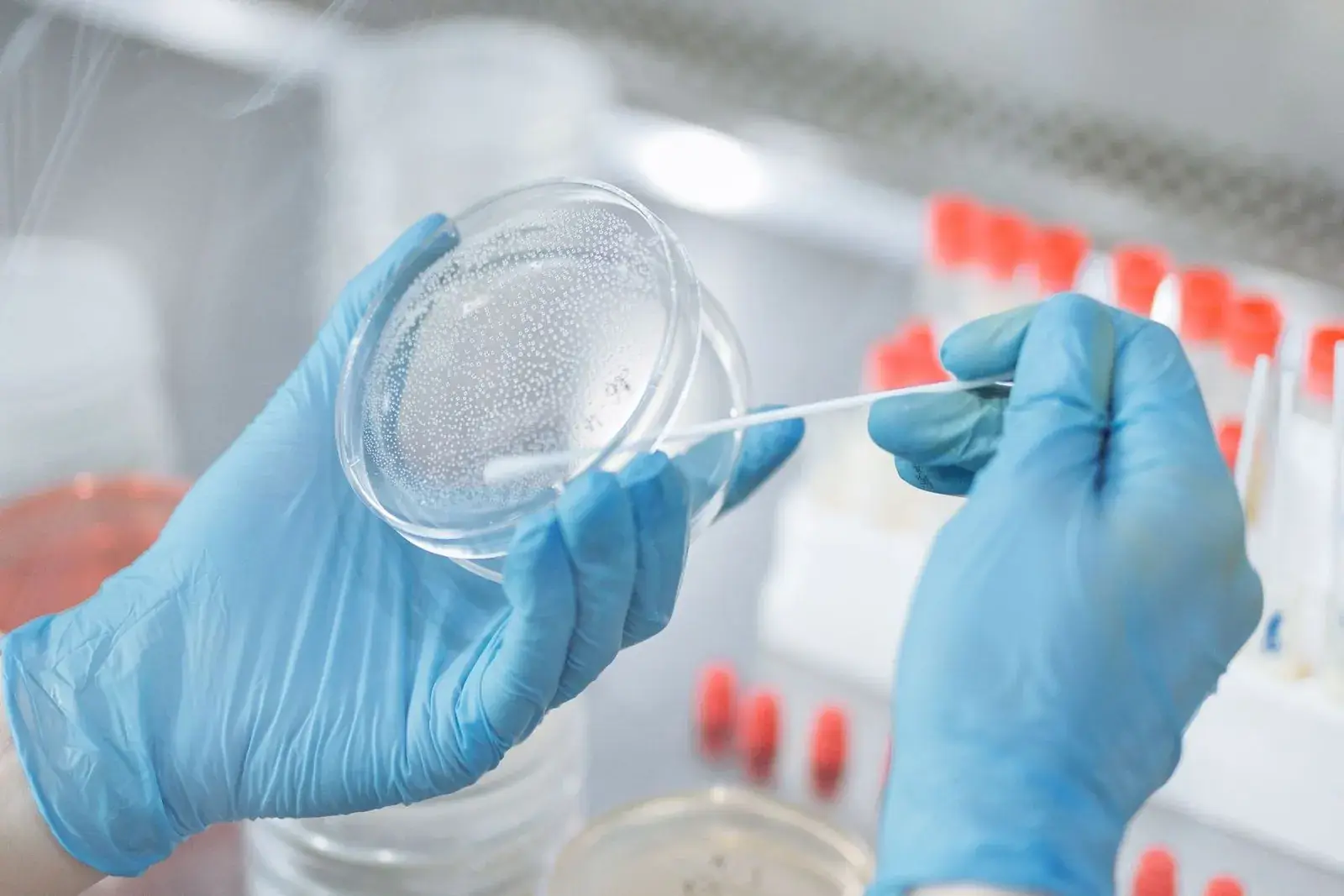
- Surface sample. A swab or tape lift from a stain. Shows if it is mold and roughly what type.
- Air sample. A snapshot of spores at one moment, compared with outdoors. DPH does not recommend it to confirm types and amounts.
- Lab analysis. Samples go to a lab. Ask which one and whether it is accredited (AIHA EMLAP is one program).
What a test cannot tell you
- Whether the level is safe. There are no federal or state limits.
- Whether mold caused your symptoms.
- That a room is clear. A sample can miss growth in a wall or under flooring.
- Whether it is “black mold”. See black mold removal.
Choosing a tester
- Prefer one who does not also sell removal.
- Ask what will be sampled and why. A plan to sample every room is a warning sign.
- Ask for a written report: where samples were taken, the lab, an outdoor comparison, the limits.
- Massachusetts has no mold license (DPH). Ask about training and standards such as IICRC or ACAC.
What it costs
A Clever Real Estate analysis of 343,231 quotes puts the average mold inspection at about $687 nationally ($165 to $2,967) and about $725 in Massachusetts. Lab fees run about $50 to $350 per sample. See the mold removal cost guide.
Smell mold but cannot find it?
Call and describe it.
Where to look first
See basement mold removal, crawl space mold removal and mold removal after water damage. Local guides: Groton, Tyngsborough, Westford, Lowell, Chelmsford.
Frequently asked questions
Can I use a home test kit?
You can, but it is hard to use. Spores are in every home, so a kit will show they exist. It cannot tell you if the amount is a problem.
Is air or surface testing better?
They answer different questions. Surface tells you if a stain is mold. Air is a one-moment snapshot. DPH does not recommend air testing to confirm types and amounts.
Will a test tell me if it is black mold?
Only a lab can identify species, and many dark molds are not Stachybotrys. The response is the same either way.
My test was negative but I smell mold.
Trust the smell and look for moisture. Air samples can miss growth in walls or under floors.
Should I test before removal?
If the mold is visible, usually not. If it is hidden, start with inspection and moisture mapping. Arrange verification after, by someone other than the remover.