Last updated October 10, 2026
On this page
Remediation or removal?
People use both words for the same job. In EPA guidance, remediation means cleaning up the mold and fixing the moisture problem that caused it. Removal on its own can leave the cause in place, and then the mold comes back. For the plain overview, see Dunstable mold removal and remediation.
The steps, in order
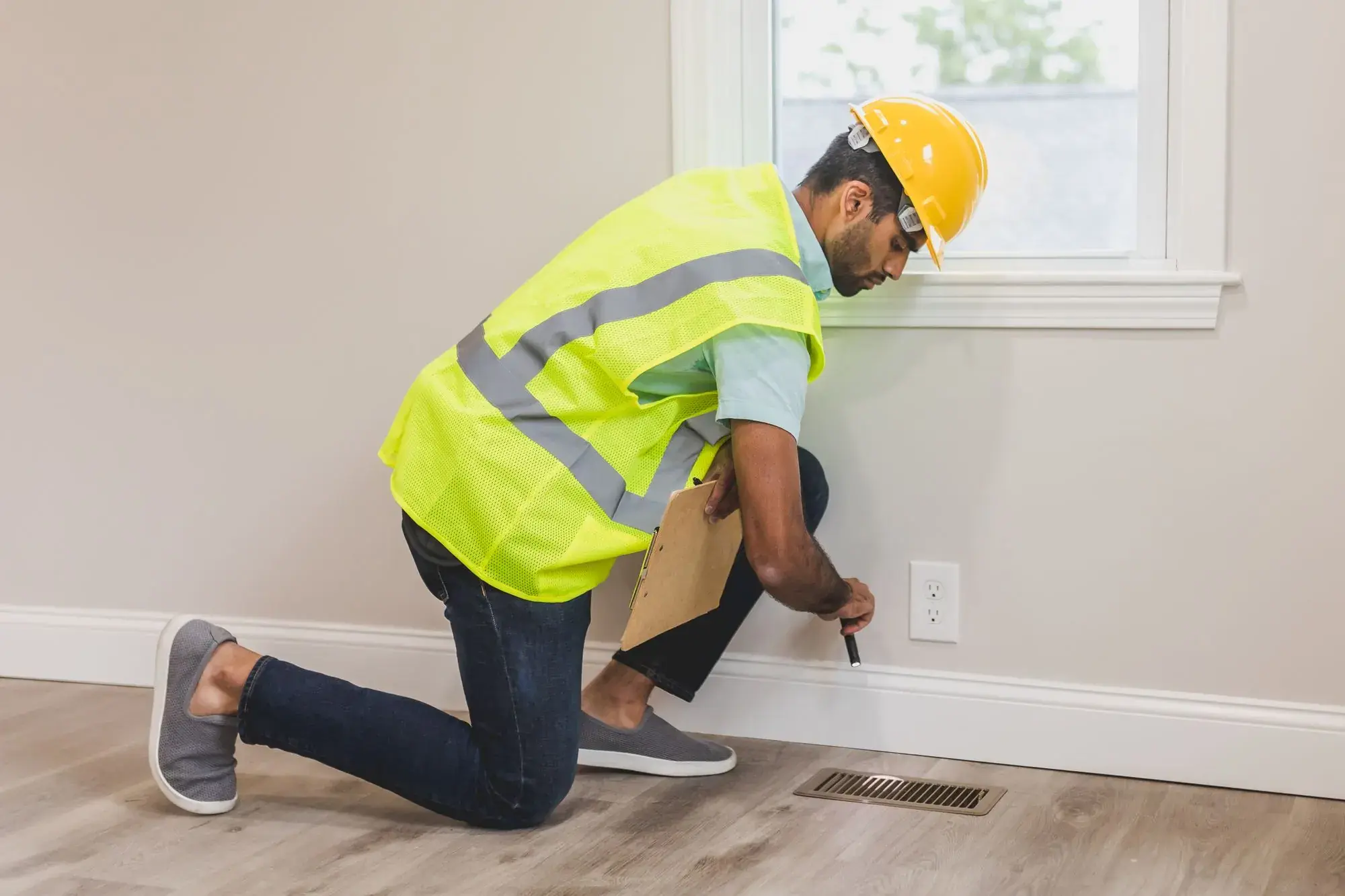
- Find the moisture. Moisture meters and sometimes thermal imaging show what is wet and how far it goes.
- Write the scope. Which rooms, which materials, how big the area is.
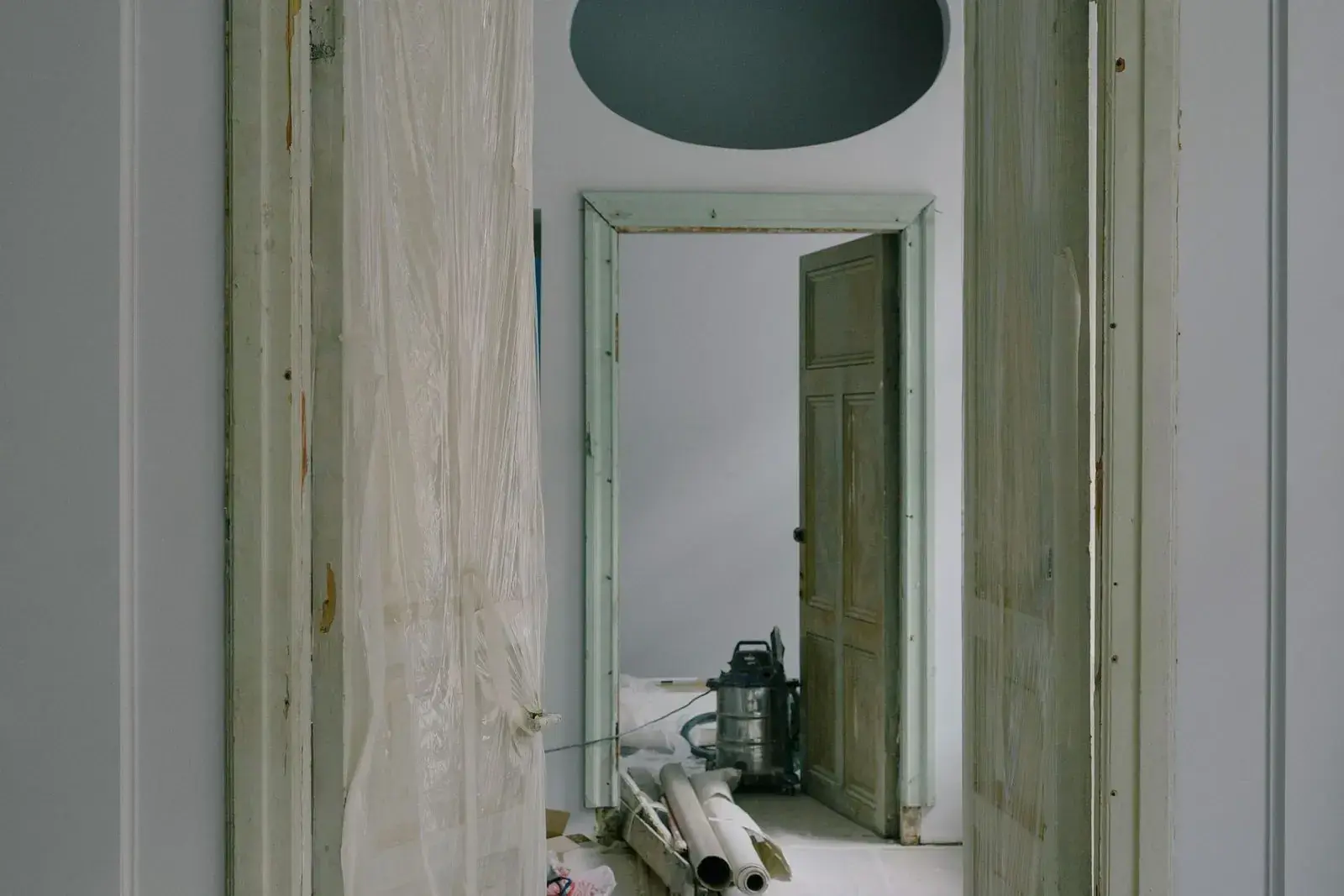
- Contain the work area. Plastic sheeting keeps dust and spores from spreading.
- Filter the air. HEPA air scrubbers run during the work.
- Remove what cannot be saved. Wet drywall, carpet and insulation.
- Clean what stays. HEPA vacuum, then wipe, brush or sand.
- Dry the space. Dehumidifiers run until readings are back to normal.
- Check the result. A visual check and moisture readings, and sometimes an independent test.
What a written scope should list
- The areas and materials to be removed or cleaned.
- The moisture source and who is fixing it.
- Containment and air filtration to be used.
- The drying plan and how long it should take.
- How success is checked and who checks it.
- The price, what is included and what is not.
Ask about the standard
Many professionals follow IICRC S520, the industry standard for mold remediation. Ask whether they do, and ask them to explain their containment and drying plan in plain words.
Not sure what the job needs?
Call and describe it. They can explain the steps for your house.
Testing after the work
After cleanup, a visual check and moisture readings show whether the area is dry and clean. For a larger job, some homeowners hire an independent tester, one who does not do the cleanup, to take samples afterward. The EPA, CDC and Massachusetts DPH do not require a test in every case. See mold testing for when it helps.
Where remediation is needed most
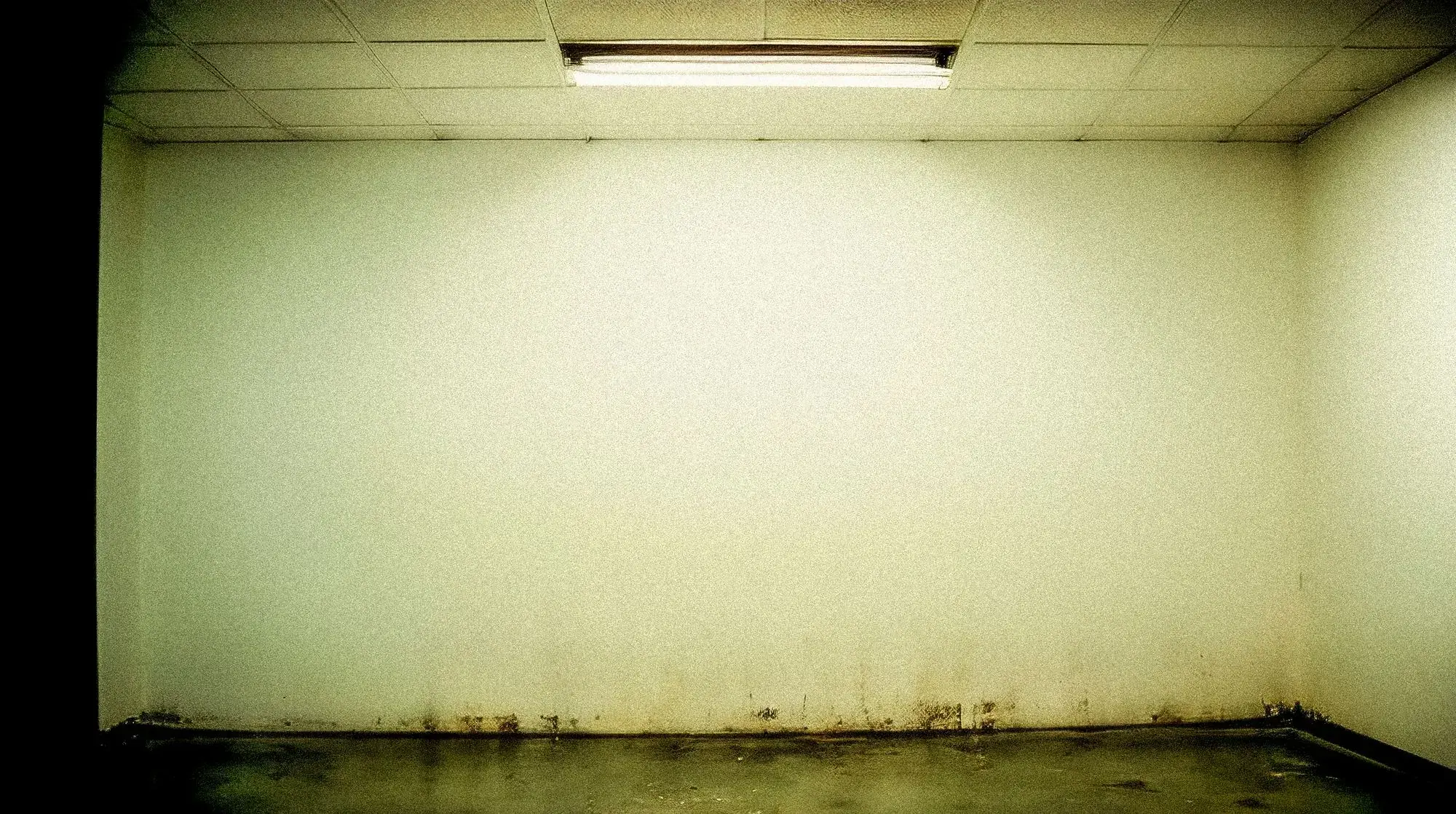
- Basements and finished basements, where moisture comes through the foundation.
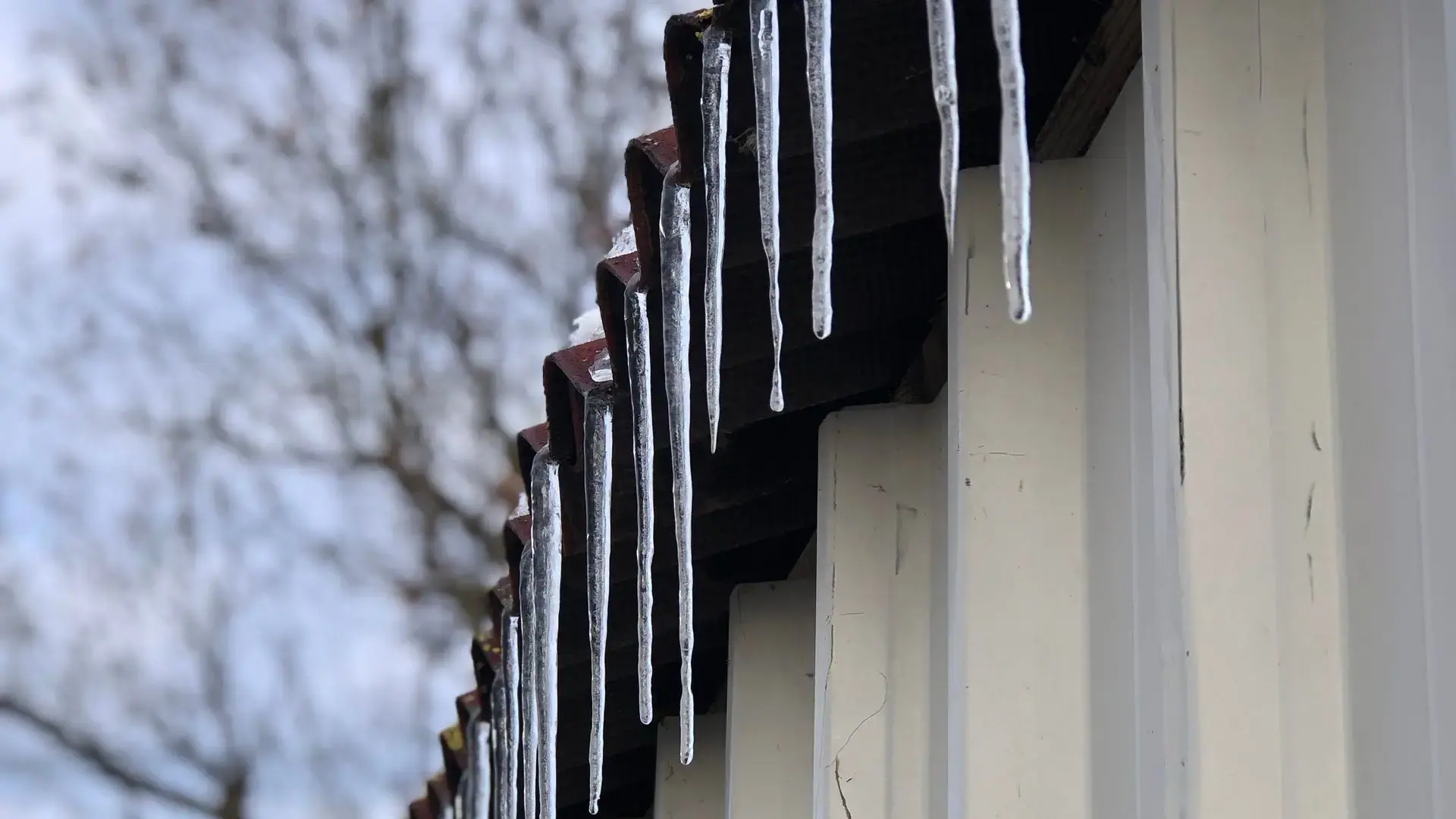
- Attics, where warm house air freezes on cold roof boards, and after ice dams.
- Crawl spaces with bare soil and damp air.
- After a leak, burst pipe or flood.
Hiring in Massachusetts
Massachusetts has no state mold license. The DPH suggests asking for references and a written scope, having the contractor visit before work starts and holding back final payment until the job is done. If the contractor also does home improvement work, check registration on Mass.gov. Prices are in the mold removal cost guide, and whether insurance pays is in our insurance guide.
Nearby towns
The same steps apply across the area. See Tyngsborough, Groton, Westford, Lowell and Chelmsford.
Frequently asked questions
What is mold remediation?
Cleaning up the mold and fixing the moisture problem behind it. The steps are moisture check, containment, removal of damaged materials, cleaning, drying and a check of the result.
Is mold remediation the same as mold removal?
People use the terms interchangeably. Remediation is the fuller job because it includes fixing the cause and checking the result.
How long does mold remediation take?
A small job can be done in a day or two. Larger jobs take longer because the space has to dry. A written scope should give a time estimate.
Do I need a test after remediation?
Not always. A visual check and moisture readings may be enough. An independent test can help on larger jobs or for documentation.
Does Massachusetts license mold remediation?
No. Ask for references and a written scope, and check registration if the contractor also does home improvement work.